A system designed around your actual process, not a generic template
Applied through portals, dashboards, approval flows, and workflow tools for the way logistics & trading customers decide.
Shipment tracking, documentation and client updates in one platform your operations and sales teams share.
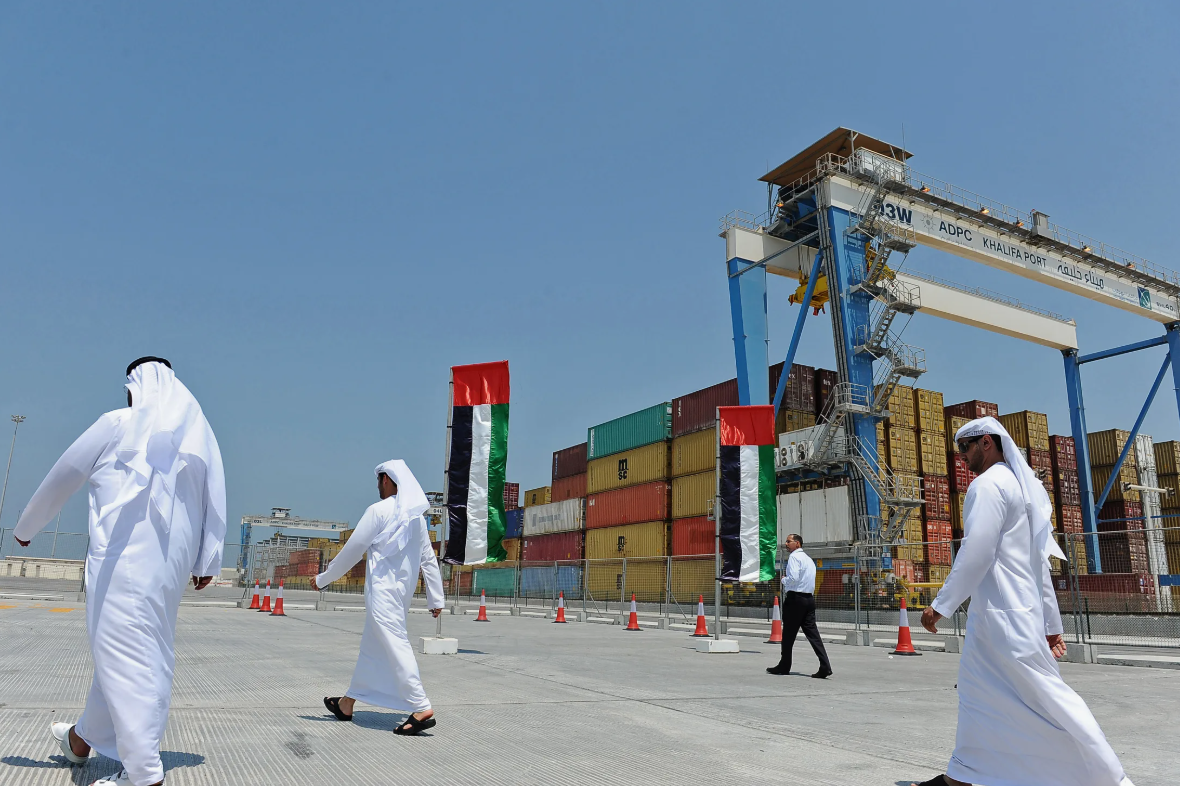
A freight or trading company in Abu Dhabi tracks shipments across a transport management system, a document folder and a series of coordinator calls that happen when a client cannot find their own update. Customer service spends time answering questions the system should have answered automatically. Grow builds custom software for logistics firms around the actual flow of a shipment: the booking that generates the documentation, the documentation that travels with the cargo and the delivery that closes the invoice. Every step produces the update the client is waiting for without a coordinator typing it manually.
Before any screen is designed, the shipment lifecycle is mapped with your operations director, two account managers and your documentation coordinator. Which status updates currently travel by email or chat? Which documentation errors cause the most delays at customs? Which invoices are disputed most often and for what reason? Those problems define the scope. A test version is run against a real active shipment before the full build begins, so the workflow matches actual conditions rather than a smooth-path demonstration.
Further reading: Abu Dhabi on Wikipedia, Custom Software on Wikipedia, Logistics on Wikipedia.
Include your website, the service you need and the main problem you want to solve.
A Custom Software Development scope shaped for logistics & trading, with examples like category pages, route content, procurement proof, and enquiry tracking instead of a recycled service package.
Applied through portals, dashboards, approval flows, and workflow tools for the way logistics & trading customers decide.
Applied through portals, dashboards, approval flows, and workflow tools for the way logistics & trading customers decide.
Applied through portals, dashboards, approval flows, and workflow tools for the way logistics & trading customers decide.
Applied through portals, dashboards, approval flows, and workflow tools for the way logistics & trading customers decide.
Applied through portals, dashboards, approval flows, and workflow tools for the way logistics & trading customers decide.
Custom Software Development is planned around this Logistics & Trading problem, with category pages, route content, procurement proof, and enquiry tracking in mind.
Custom Software Development is planned around this Logistics & Trading problem, with category pages, route content, procurement proof, and enquiry tracking in mind.
Custom Software Development is planned around this Logistics & Trading problem, with category pages, route content, procurement proof, and enquiry tracking in mind.
Tracked clearly so progress is visible beyond surface-level activity.
The core of the system is a shipment record that connects the booking to the documentation to the delivery confirmation. A coordinator creates a booking and the bill of lading, packing list and customs declaration templates populate from the same data entry. A client sees their shipment status updated when a real event occurs — port arrival, customs clearance, vehicle dispatch — not when a coordinator remembers to type it. The status page is the same screen your operations team uses, so the information is never stale.
The system connects to your customs clearance portal, your carrier tracking feeds and your accounting platform. A customs release notification updates the shipment record automatically and triggers the delivery order. A carrier's GPS feed moves the shipment status from dispatched to delivered without a confirmation call. Your finance team sees the invoice generated from the same rate card and weight data as the booking confirmation, so disputes about what was agreed arrive less often.
We document the exact workflow the software replaces, including every manual exception your team handles, before agreeing what to build.
What gets built in each phase is agreed in writing before the sprint starts, so no feature arrives late without a deliberate decision.
Bugs found before go-live are cheaper than bugs found by your team on a working day. Staging environments match production exactly.
Documentation and training sessions for your users are planned into the project scope so adoption starts before handover, not after.
Repository access and deployment credentials are in your organisation's accounts from the first commit, not held by us as leverage.
Each phase ships something your team can use, so assumptions are tested against reality before the next stage is committed.
We map the actual workflow, including the workarounds nobody wrote down, before designing anything.
Review how logistics & trading customers compare options and what they need before they enquire.
Check search intent, competitors, content gaps, and the channels worth testing.
A written plan covering what gets built, in what order, and what each phase should fix.
Working software ships in stages so you see progress and can redirect early.
Measure Time saved on the workarounds this replaces and Error rate before and after rollout with enough clarity to act.
Adjust content, pages, offers, and follow-up where the data shows friction.
A staged rollout with support built in, not a handoff and a goodbye.
New trade lanes, new carriers and new client reporting formats are added without rebuilding the core. When a new carrier is added, their documentation requirements and tracking format are configured in the admin panel. Your commercial director can add a rate card for a new lane, set a credit limit for a new client and build a reporting template for a specific shipper without a developer. Seasonal volume peaks do not require system changes because capacity is a configuration, not a build.
Full source code, API credentials and documentation are yours at handover. Every sprint is scoped in writing and nothing is added without a change note agreed by your commercial director. A logistics firm whose clients can see their own shipment status without calling receives fewer inbound queries and retains accounts because the experience is easier than using a competitor.

From the Corniche to Al Ain, we work with businesses across the emirate. Explore the map and pick your area.
Selected area
The commercial and government core of the city.
Hover a pin on the map to see details, or pick an area below.
Pricing depends on your goals, competition, content, integrations, and the work needed before growth can compound.
For one clear industry priority
Custom Quote
For a broader connected programme
Custom Quote
For complex teams or multiple locations
Custom Quote
Tell us what Custom Software Development needs to improve for your Logistics & Trading business. We will shape a practical plan around your offer and capacity.
Common questions before starting Custom Software Development for logistics & trading in Abu Dhabi.
We price after reviewing what you have and what needs fixing first. The main cost drivers are scope, competition, content, integrations, and how much genuine coverage your goals require.
Website and tracking fixes can show early movement. Paid campaigns can bring enquiries within weeks. SEO, content, and local visibility usually take three to six months to compound.
Abu Dhabi is our focus. We work across the emirate, including Abu Dhabi City, the islands, Al Ain, Mussafah, and Al Dhafra. We take select UAE work when the fit is right.
Yes. Your accounts, content, code, data, and agreed deliverables stay in your name. Any third-party costs are explained before approval.
Not every business should buy more marketing right away. If your team cannot answer new enquiries, more leads will expose that gap. If your website cannot explain the offer, ads will only send more people to a weak page. We will say that early and point you at the better first fix.
No serious agency can guarantee rankings or leads it does not fully control. We can set a clear scope, report honestly, and change course when the evidence says we should.
We need one clear approver, access to your website and marketing accounts, a short conversation about margins, and an honest view of your capacity. More enquiries only help when your team can answer and serve them well.
Yes. A focused first phase is often the smartest start. It proves the channel, cleans the data, and shows what should come next.
Share what you want Custom Software Development to achieve for your logistics & trading business. We will help shape the next step with real examples and priorities.
Call us
+971 2 555 0100Email us
hello@growforabudhabi.comWhere we work
Across Abu Dhabi and its communities
Include your website, the service you need and the main problem you want to solve.